
Easy Guide to Washing Rice: Achieve Fluffy Perfection
Share
Washing rice is a simple preparation step, but it isn’t necessary for every variety or recipe. Start with the instructions on your rice package and the dish you’re making.
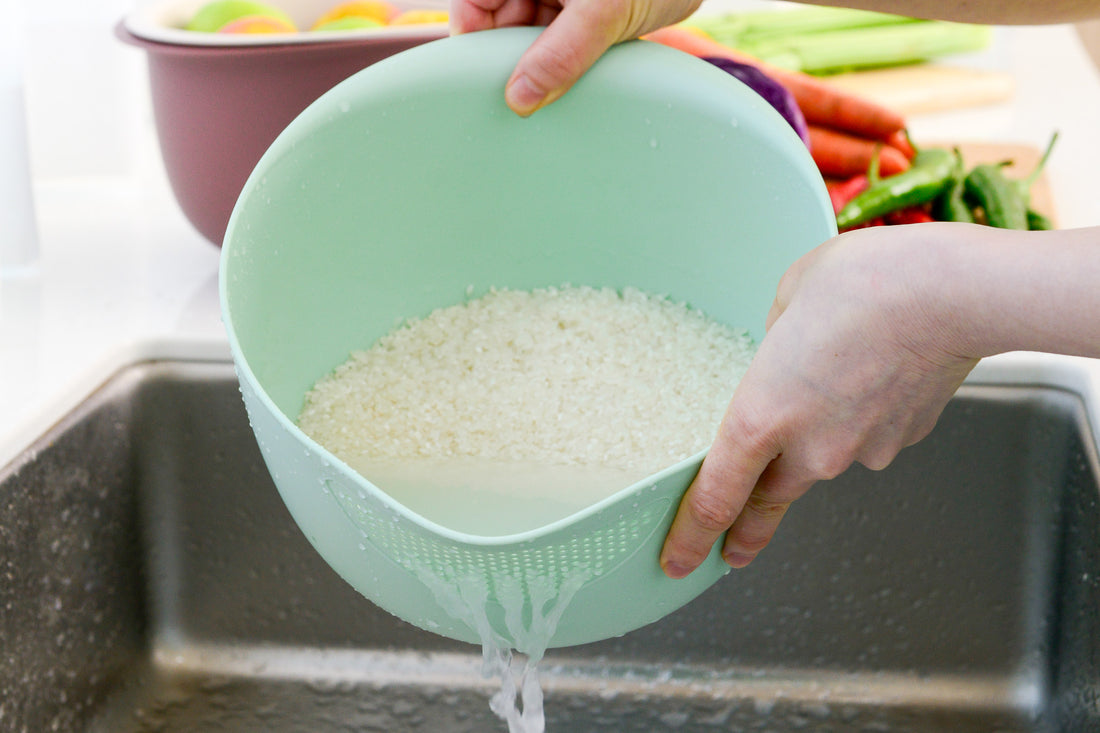
When rinsing is recommended, a bowl or fine-mesh strainer is all you need.
Should You Wash Rice Before Cooking?
Rinsing removes loose surface starch and can help control the texture of cooked rice. It does not guarantee separate grains: rice variety, cooking water, and cooking method also matter.
Check the package first. Enriched rice may carry instructions not to rinse, while ready-to-heat and rinse-free products have their own preparation directions.
For dishes such as risotto, recipes commonly call for unrinsed rice to retain starch that contributes to the creamy texture.
Method 1: Use a Bowl
-
Measure the dry rice into a clean bowl.
-
Add enough cool water to cover it.
-
Gently swirl the grains with your fingers.
-
Carefully pour off the cloudy water without losing the rice.
-
Repeat as directed by the package or recipe, then drain.
Handle the grains gently rather than scrubbing or crushing them. The rinse water should become less cloudy; follow your recipe rather than chasing perfectly clear water.
Method 2: Use a Fine-Mesh Strainer
Place the measured rice in a fine-mesh strainer with openings small enough to retain the grains.
Rinse under cool running water, gently moving the rice so water reaches throughout. Drain well before transferring it to the cooking pot.
A standard colander may have openings that are too large. Blue Ginkgo’s expandable over-the-sink colander is intended for larger foods, not rice, quinoa, or other small grains.
Rinsing and Soaking Are Different Steps
Rinsing briefly washes the grains. Soaking leaves them in water for a specified period before cooking.
If your recipe calls for soaking, follow its timing and draining instructions. A quick rinse does not replace that step.
Follow the Cooking Instructions
After draining, add the cooking water specified for your rice and method.
For rice cookers, follow the appliance instructions for measuring rice and filling to the appropriate water line. Different varieties and preparation methods need different amounts of water.
Rinsing is one part of the process. Consistent measuring, suitable cooking settings, and the recommended resting time also help you get repeatable results.
Keep Preparation Simple
Choose the rinsing method that works with the tools you already own. A clean bowl is enough for many recipes; a fine-mesh strainer makes draining small grains easier.
For larger foods such as fruit, vegetables, and suitable pasta shapes, explore the Blue Ginkgo sink colander guide.
Better Design, Simpler Living.